
Embed PDF in HTML with the free solution that will leave you speechless

Updated on: 15.04.2026
Embedding a PDF in HTML sounds technical, but it doesn't have to be complicated or expensive. After testing several tools, the clear winner for bloggers and web developers is a free solution that converts PDFs into interactive ePaper flipbooks — no ads, no monthly fees, no strings attached.
Why Most PDF Embedding Solutions Fall Short
If you've ever tried to embed a PDF directly into a webpage, you know the frustration. Native browser viewers look clunky, load slowly, and offer zero control over the reader experience. The alternatives aren't much better: paid platforms lock the good features behind expensive subscription tiers, while "free" services quietly insert third-party ads into your carefully crafted content — ads that redirect your readers away from your page entirely.
That's a bad deal no matter how you look at it. You lose control of your content, your audience's attention, and ultimately your credibility — all without paying a cent. For anyone who relies on PDF documents to share articles, magazines, whitepapers, or tutorials, a genuinely free and clean solution is hard to find. That's exactly what makes free PDF publishing with YUMPU stand out from the crowd.
How Embedding a PDF in HTML Actually Works
The process with YUMPU is straightforward enough that anyone can do it in minutes — no coding knowledge required:
Create a free account and upload your PDF file.
YUMPU automatically converts it into an interactive ePaper flipbook.
Copy the generated embed code and paste it into your website's HTML.
That's genuinely it. The result is a polished, page-turning digital publication embedded directly on your page. You can also share it via social media with a single click — a major plus if your readers follow you on Twitter, Facebook, or Instagram and want to be notified when new editions go live.
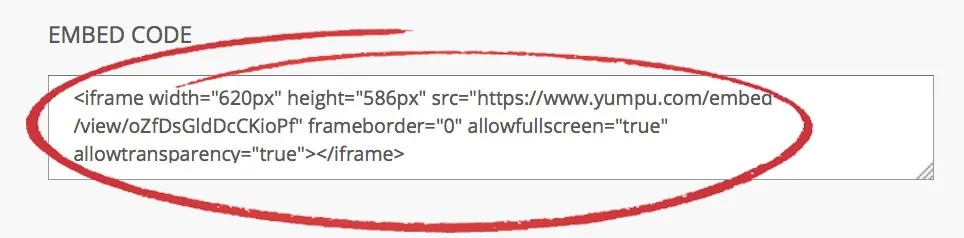
If you want to go beyond static PDFs and offer a full flipbook experience, check out this guide on building a PDF to Flipbook platform — it covers the broader landscape of digital publishing options.
The ePaper Format: A Better Reading Experience
What really sets YUMPU apart is its use of the ePaper format. Instead of scrolling through an endless wall of text, readers flip through actual pages — clicking corners to turn them, just like a physical book. This is far less fatiguing to read, feels more natural, and keeps people engaged longer.
Beyond the visual experience, ePaper brings real practical advantages:
Fast loading — ePaper is significantly lighter than raw PDFs embedded in web pages, which matters enormously on mobile connections.
Universal compatibility — it works flawlessly across all browsers, operating systems, smartphones, tablets, and desktops.
Multimedia support — you can embed video files, audio clips, and hyperlinks directly into the content, turning a static document into an interactive experience.
Google indexing — ePaper content is fully crawlable by search engines. Your PDF's text shows up in Google search results, which plain PDF embedding often prevents.
This last point is worth emphasizing: better Google visibility means your existing PDF content starts working harder for you without any extra effort. That's the kind of compounding benefit that makes ePaper embedding worthwhile even if you only have a handful of documents to share.
Ready to try it yourself? Start embedding for free and see how quickly you can turn your PDFs into professional digital publications.
Simple Interface, No Learning Curve
One of the most pleasant surprises is how intuitive the platform is. Uploading a PDF, generating an embed code, and placing it on your website takes just a few minutes. If you have questions, YUMPU's customer support team is responsive and genuinely helpful — though for the basic workflow, you're unlikely to need them.
For those who publish regularly, the ability to update a document and have it instantly reflect everywhere it's embedded is a huge time-saver. No re-exporting, no replacing embed codes, no emailing updated files to readers. Your audience always sees the latest version automatically.
Want to see how this compares to other approaches? The article Embed PDF in HTML Website – The MacGyver Way explores alternative methods and trade-offs worth knowing about.
Who Is This For?
Pretty much anyone who creates PDF content and wants to publish it online will benefit from this approach. Bloggers, content creators, small businesses, educators, and developers all fit the profile. It doesn't matter whether your PDFs are newsletters, product catalogues, tutorials, or magazine-style articles — the flipbook format works well across all of them.
You can also repurpose the same flipbook link for your email footer, giving newsletter subscribers a direct path to your latest publication without any attachment size worries. It's a small detail that significantly improves the reader experience.
Verdict
If you've been putting off embedding PDFs on your website because every solution seemed too expensive, too ad-heavy, or too complicated, YUMPU removes all three objections at once. The free PDF hosting, clean ePaper format, social sharing, Google indexability, and multimedia support combine into a tool that's genuinely hard to beat — especially at zero cost.
Give it a try for a few days. The worst outcome is that you discover it doesn't fit your workflow. The more likely outcome is that it becomes your default way to publish PDF content online.
 Robert Taylor
Visual artist, sometimes triathlete, holder of serious parking karma & drip coffee skills. Web developer, creative, music maker, cook. Yep, that's me!