
What Are the Benefits of Flipbooks in the Hospitality Industry?
Updated on: 15.05.2026
Digital menus are no longer a novelty — they're quickly becoming the new standard in hospitality. Flipbooks give restaurants, cafés, bars, and hotels a smarter way to present their offerings: always up to date, visually engaging, and reachable via a simple QR code scan. No printing costs, no logistical headaches, just a better experience for your guests.
Why the Hospitality Industry Is Embracing Digital Flipbooks
Think about the last time you had to reprint your wine list because a vintage sold out, or rush a new daily specials card to the printer on a Friday afternoon. It's costly, time-consuming, and frankly unnecessary in 2026. Flipbooks — interactive, digital versions of your printed menus — eliminate that cycle entirely. By uploading a PDF to a platform like YUMPU, your document is automatically transformed into a swipeable, mobile-friendly flipbook that looks polished on any screen. If you're still wondering what a flip book is and how to use it for your business, the concept is simpler than you might think.
Key Benefits of Flipbooks for Restaurants and Hotels
The advantages of switching to a digital flipbook format go well beyond just "saving paper." Here's what hospitality businesses are actually gaining:
Cost savings on print and distribution — No more print runs, no more design agency fees for minor updates. Once your flipbook is live, changes take minutes and cost nothing extra.
Instant updates for maximum flexibility — Got a new catch of the day or a seasonal cocktail to promote? Update your digital menu on the spot and the change is live immediately — no waiting, no waste.
Eco-friendly and sustainability-conscious — Reducing paper consumption is increasingly important to guests, especially younger diners. A digital menu signals that your business takes sustainability seriously.
Richer guest experience through interactivity — Flipbooks can include high-quality food photography, allergen information, wine pairing suggestions, and even short video clips — turning your menu into a genuine brand experience.
Easy embedding on your website — With a simple iFrame embed, your flipbook can live directly on your restaurant's website, giving potential guests a taste of your offering before they even walk through the door.
Meeting the Expectations of the Digital-First Generation
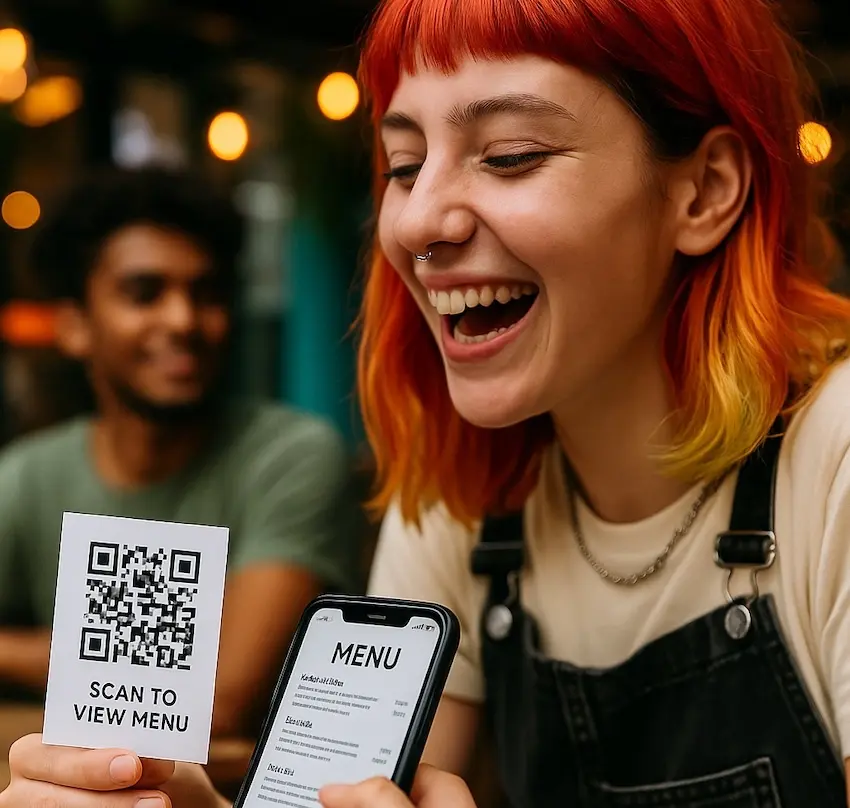
Gen Z and Millennials now make up a significant and growing share of restaurant guests — and their expectations are shaped by digital-first experiences. A laminated card that's been handled by dozens of diners before them isn't particularly appealing. A clean, mobile-optimised QR code menu that loads instantly on their phone? That's a different story. With a flipbook accessible via QR code, guests simply scan and browse — no app download required. It's the kind of frictionless, hygienic, and visually appealing interaction that builds positive brand impressions. The shift from print to digital is well underway across the industry — for a deeper look at the trade-offs, Print vs. Digital: A Comparison of Pros and Cons is worth exploring.
Practical Use Cases for Flipbooks in Hospitality
The versatility of the flipbook format means it can serve multiple functions across your operation — not just the main food menu. Here are some of the most effective applications:
Interactive wine lists — Showcase your cellar with photos, tasting notes, origin stories, and food pairing recommendations. Update it the moment a wine sells out.
Daily specials boards — Change your specials every morning without touching a printer. Share the updated flipbook link via QR code at the table or on your social media channels.
Multilingual menus — Flipbooks make it straightforward to offer your menu in multiple languages, which is invaluable for hotels and restaurants in tourist-heavy locations.
Event and banquet packages — Create beautiful, shareable flipbook brochures for private dining, weddings, or corporate events — and update pricing or packages without reprinting.
In-room dining for hotels — Replace bulky in-room folders with a digital flipbook accessible via QR code, keeping information fresh and eliminating hygiene concerns.
How to Create a Flipbook Menu with YUMPU
Getting started doesn't require any technical skills. With YUMPU's publishing platform, you simply upload your existing PDF menu and it's automatically converted into a fully interactive digital flipbook. The result works seamlessly on smartphones, tablets, and desktops — without guests needing to install anything. You can then share it via a direct link, embed it on your website, add it to your email newsletter footer, or generate a QR code to place on tables. Create your ad-free digital menu with YUMPU and give your guests a browsing experience that reflects the quality of your kitchen.
Ready to make the switch? Start your free flipbook today and see how quickly you can transform your printed menu into a dynamic digital experience — no design agency needed.
Boosting Visibility: Flipbooks Beyond the Table
One underrated benefit of digital flipbooks is their potential to drive discoverability. Unlike a printed menu that stays on the table, a flipbook can be shared across social media platforms, linked from Google Business Profile, embedded in email campaigns, and even indexed by search engines. This turns your menu from a passive document into an active marketing asset — one that works for you around the clock. For hospitality businesses looking to increase online visibility without a major budget, this kind of reach is genuinely hard to replicate with print.
FAQ: Flipbooks in the Hospitality Industry
What exactly is a flipbook menu in a restaurant context?
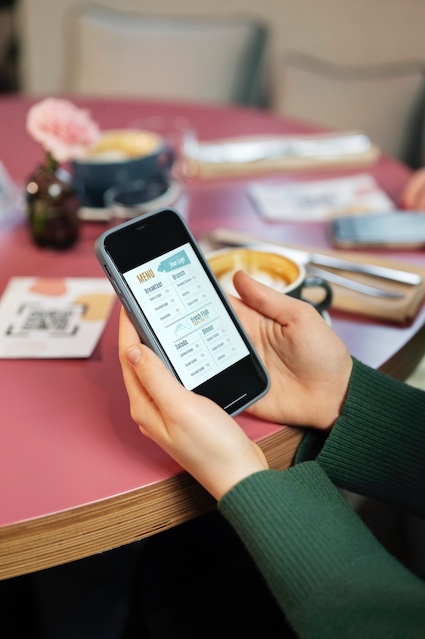
A flipbook menu is a digital, interactive version of your printed menu that guests can browse on any device — smartphone, tablet, or desktop. It's accessed via a link or QR code and replicates the page-turning feel of a physical menu, with added features like images, videos, and clickable content.
Do I need any technical skills or software to create a flipbook?
No special skills are needed. Platforms like YUMPU let you upload an existing PDF and automatically convert it into a flipbook. The process takes just a few minutes and requires no coding or design expertise.
How do guests access a flipbook menu at the table?
You place a QR code on the table — printed on a small card or stand. Guests scan it with their smartphone camera and the flipbook opens directly in their browser, with no app download required.
How quickly can I update a flipbook if something changes on the menu?
Updates are immediate. You simply upload a revised PDF and the live flipbook reflects the changes — making it ideal for daily specials, seasonal menus, or wine lists where availability changes frequently.
Can I embed a flipbook menu on my restaurant's website?
Yes. Flipbooks can be embedded directly on your website using a simple iFrame code snippet. This lets website visitors browse your menu before visiting, which can positively influence their decision to book a table.
Are flipbooks mobile-friendly?
Absolutely. Flipbooks are fully optimised for mobile use, which is especially important given that most guests will access them on a smartphone. They load quickly and display clearly on screens of all sizes.
Is a flipbook menu more hygienic than a printed menu?
Yes — since guests use their own device and nothing is physically passed between people, a digital flipbook is considerably more hygienic. This became a significant factor in hospitality after the pandemic and remains important to many guests.
Can I offer my flipbook menu in multiple languages?
Yes, and it's one of the format's real strengths. You can create separate flipbook versions for different languages and make them easily accessible — a major advantage for hotels and restaurants in international tourist destinations.
Can I share my flipbook menu on social media?
Yes. A flipbook has a shareable link that can be posted on Instagram, Facebook, or any other platform — making it easy to promote seasonal menus, special events, or new dishes directly to your audience.
How does a digital flipbook menu compare in cost to printed menus?
The upfront investment in a digital flipbook is typically far lower than ongoing print costs — especially when you factor in design fees, printing, and the need to reprint every time something changes. Over time, the savings can be substantial for any hospitality business.
 Robert Taylor
Visual artist, sometimes triathlete, holder of serious parking karma & drip coffee skills. Web developer, creative, music maker, cook. Yep, that's me!